
Skip to content

Resilient Oceans. Resilient Nations.

The Oxford Marine Protection Project (OMPP) develops governance-integrated, data-driven methodologies to support strategic Marine Protected Area (MPA) designation and network design. In partnership with ProtectedSeas, we integrate cutting-edge geospatial datasets, remote sensing, and geopolitical analysis to determine where MPAs can be systematically integrated into marine planning decisions to deliver the greatest ecological and strategic impact.

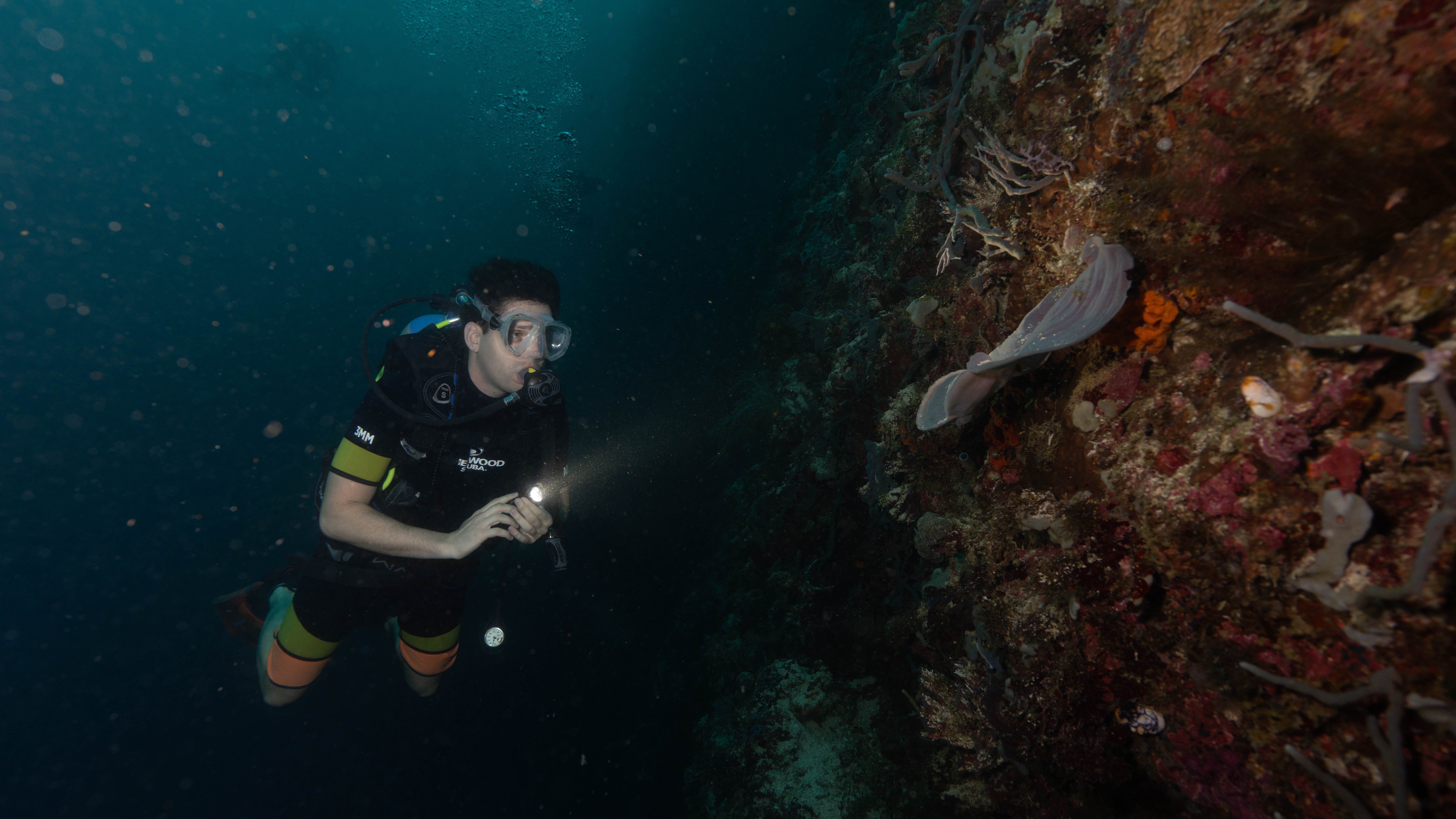
ai-generated-IMAGE-1

Our Goal

Our goal is to produce an open-source decision-support map and analytical framework that provides transparent, evidence-based guidance on where marine protection can strengthen environmental resilience, economic stability, and national security. By making strategic marine planning more accessible and governance-informed, OMPP supports more effective and durable ocean protection worldwide.

From Data to Strategy

OMPP integrates biodiversity indicators, fishing pressure, regulatory strength, climate risk exposure, and national security considerations into a single analytical framework. By clarifying how these factors interact, we help policymakers move beyond percentage-based targets toward strategically located, enforceable, and resilient MPA networks.

Supporting UN's 30x30

Our work contributes directly to the United Nations’ 30x30 goal of protecting and conserving at least 30% of the world’s land, freshwater, and oceans by 2030, by addressing a central implementation challenge: ensuring that protected areas are not only counted, but strategically designed and governance-ready.

Regional Application

Through Oxford’s Climate Change & (In)Security Project, OMPP applies its methodology in priority regions, including ongoing work in the Philippines in partnership with WWF. This research examines how community-led and nationally designated MPAs intersect with fisheries dependence, disaster risk reduction, and broader national security objectives.

Our team

Screenshot 2026-03-09 at 12.35.45 pm

Noah Mihan

Co-Director

Noah is a Sustainable Finance Strategy Associate at Systemiq and the Oxford ZERO Institute. He holds an MSc from Oxford and a BSE from Princeton, and focuses on energy policy, development finance, and national security.

Screenshot 2026-03-09 at 12.35.58 pm

Hansa Mukherjee

Co-Director

Hansa is a Rhodes Scholar using remote sensing to inform climate policy. She works with the COP30 Presidency, has collaborated with NASA, and consults for the UN on climate resilience. She holds two master’s degrees from Oxford.

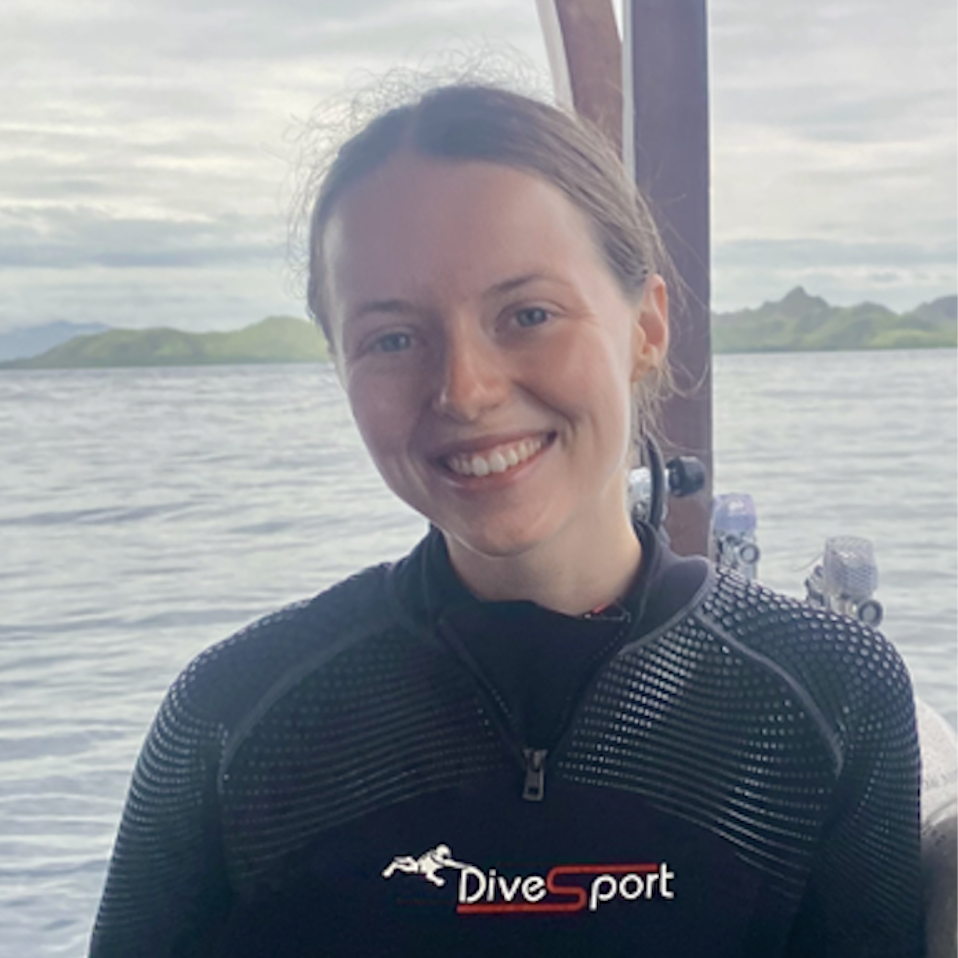
Screenshot 2026-03-09 at 12.35.08 pm

Camila Llinás

Policy Associate

Camila is a Colombian environmental lawyer and MSc candidate at Oxford. Her research focuses on marine governance, biodiversity finance, and strengthening transboundary ecosystem governance through legal design.

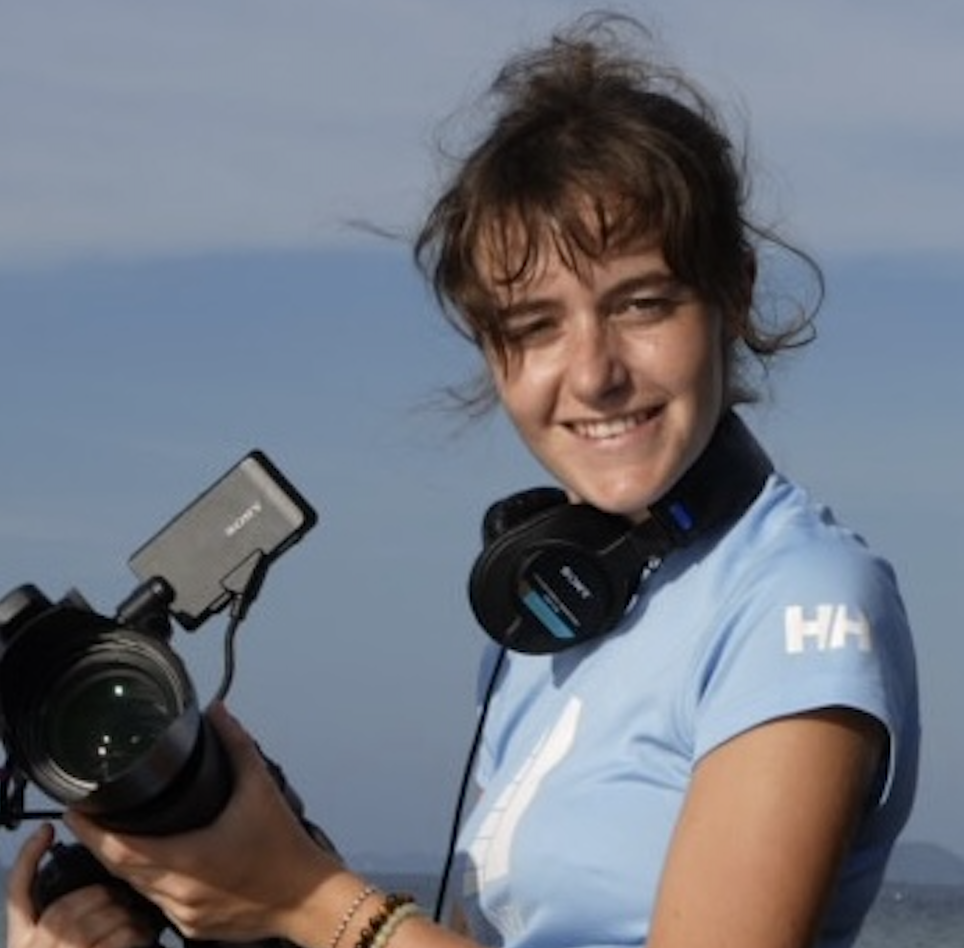
Screenshot 2026-03-09 at 12.35.25 pm

Ali McCook

Policy Associate

Ali is an MSc student in Sustainability at Oxford with a background in law and PPE from ANU. Her research focuses on legal and financial frameworks for sustainable resource use and ocean protection.

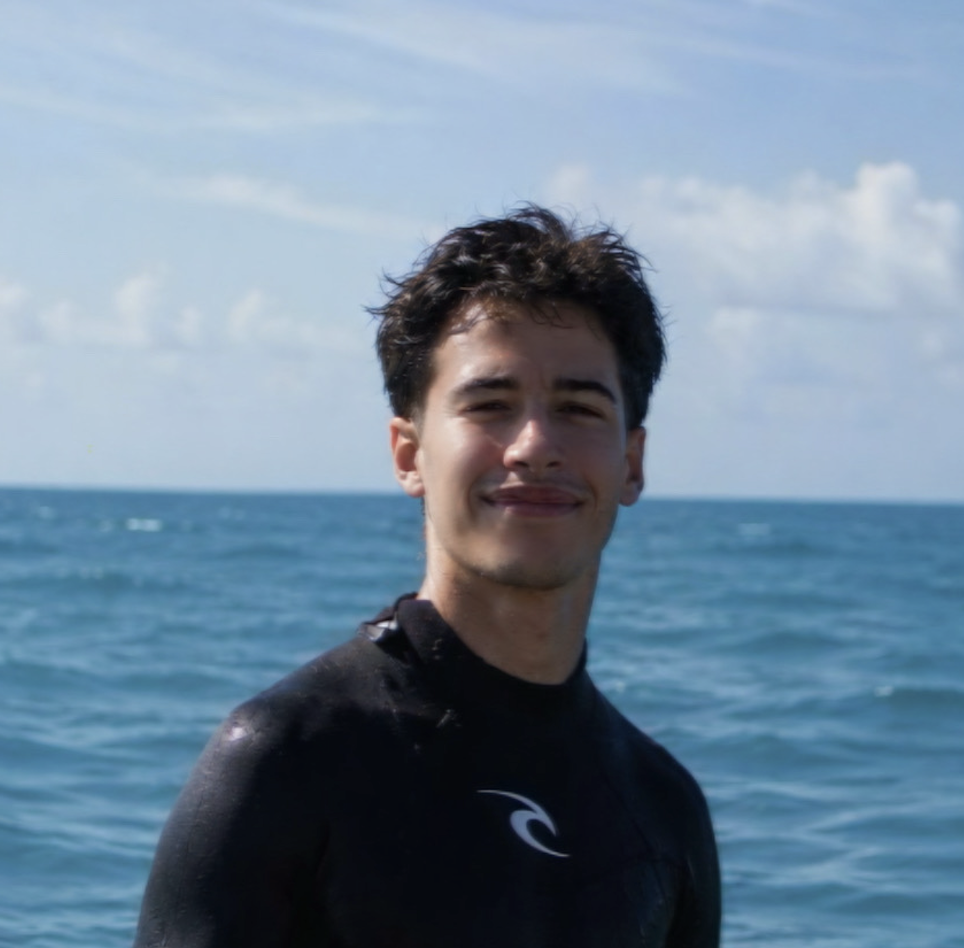
Martin.jpeg

Martin Iuvaro H.

Policy Associate

Martin is an MSc student in Sustainability at Oxford and a Business Economics graduate from Universidad Torcuato Di Tella. His research explores environmental change, human mobility, biodiversity, governance, and social justice.

Our Partners